|

|
Parasites, by definition, are animals or plants that live inside another animal/plant that survives by
taking nourishment from it's host (the creature that was infected). This process usually doesn't benefit the host and
side-effects from the infection can range from basically nothing to a life-threatening problem. While most think of parasites
as worms or bugs that infest parts of an animal's body, there are many more types of parasites than just these.
One of the things that differentiates these parasites is their ability to live without their hosts. Some, like
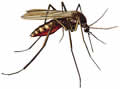
mosquitoes and flies, only rely upon the host as a source of nutrition. Others, such as blood flukes and lice, can't even
leave their host without dying or without some ill-effects. Of course, there are those in between the two categories, who
live part of their lives inside the host, and leave to become free-living, or able to move around outside of their host.
|

|

|

|

|

|

Another way to categorize parasites is by taxonomy. Taxonomy is a system used to differentiate every single living being
into a heiarchy. Parasites are scattered throughout this heiarchy, but this enables different parasites to be categorized
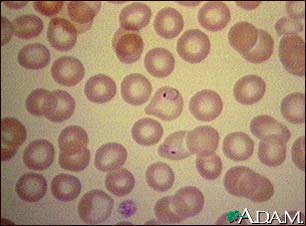
into different groups. The first group are protozoans, ciliophora and the like, very small beings, only able to be seen
with a microscope. Another group contains flukes and tapeworms. In taxonomy, it's called Platyhelminthes. The third group
contains nematodes and nematomorpha otherwise known as roundworms and horsehair worms. The final group includes the Acanthocephala
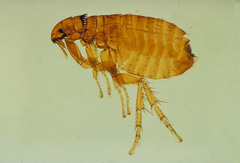
(thorny headed worms), Phylum Annelida (true segmented worms), and Anthropoda.
|

|

|